What does everyday life actually feel like in Huntington Beach once the vacation vibe fades into your normal routine? For many people, that is the real question. You are not just choosing a home near the coast. You are choosing how you want your mornings, weekends, commutes, and downtime to feel. This guide will show you what everyday coastal living in Huntington Beach really looks like, from outdoor habits to housing character and daily convenience. Let’s dive in.
Coastal living starts with routine
In Huntington Beach, the coast shapes daily life in a very practical way. The city has 193,134 residents spread across 27.6 square miles, so it is a substantial city, not a tiny beach town. Still, the shoreline remains the center of its identity, with a 10-mile coast and the Huntington Beach Pier at Main Street and Pacific Coast Highway serving as a familiar focal point.
That matters if you are thinking about living here full time. The beach is not only for visitors or holiday weekends. Sunset walks, quick surf checks, bike rides, and relaxed time near the water can become part of your regular schedule instead of something you plan weeks in advance.
The Ocean Strand helps make that routine easier. This 8.5-mile paved coastal path supports walking, running, biking, and easy shoreline access. If your ideal lifestyle includes being outside more often, Huntington Beach is built for that kind of day-to-day rhythm.
Outdoor life goes beyond the sand
A lot of people picture Huntington Beach as surfboards and beach chairs, and that is part of the story. The city supports a wide range of outdoor activities, including surfing, paddle boarding, kayaking, beach yoga, volleyball, and bonfires. Official visitor information also notes 500 beach bonfire pits, free volleyball courts at multiple beaches, and calm-water recreation in Huntington Harbour.
That mix gives you options depending on your pace. Some days may feel active and social, while others are quieter and slower. You can head to Dog Beach, book a surf lesson, paddle through the harbour, or simply enjoy time outside without making a big event out of it.
The lifestyle also extends inland. Huntington Beach has more than 75 parks, including Huntington Beach Central Park, which is described as the largest park in Orange County. Bolsa Chica Ecological Reserve adds another layer, offering access to one of the largest saltwater marsh areas along coastal California.
Nature and parks shape daily balance
If you want a coastal city with more than just ocean views, this park network is a major advantage. Central Park, Shipley Nature Center, and the Bolsa Chica area support walking, birdwatching, open space, and quieter outdoor time. That can be especially appealing if you want a home base that feels active but not always crowded.
The city also highlights horseback riding, skateboarding, pickleball, disc golf, and other recreation options. In other words, you are not limited to one version of outdoor living. Huntington Beach gives you several ways to build movement, recreation, and downtime into your week.
Community life feels active year-round
One of the biggest surprises for some buyers is that Huntington Beach has a strong civic and community side, not just a beach identity. The city volunteer network connects places like the Public Library, Senior Center, and Art Center. Broader volunteer activity also supports recreation, aquatics, sports, and arts programming.
That helps everyday life feel grounded. You are not relying only on the shoreline for connection or activity. There are classes, wellness activities, concerts, dances, luncheons, lectures, and community programs that add structure and social energy beyond peak beach season.
For many people, that balance matters. A city can be scenic, but if it does not support your real routines, it may not feel like home. Huntington Beach offers both the visual appeal people expect and the community infrastructure that supports longer-term living.
Downtown brings energy and convenience
The area around the pier and Main Street is the most recognizable social hub in Huntington Beach. It connects the shoreline, shopping, and beachfront dining in a way that feels easy to access and easy to repeat. Instead of being a one-time destination, it can become part of your weekly routine.
A strong example is Surf City Nights. On Tuesdays, the first three blocks of Main Street turn into a farmers market and street fair with produce, artisans, live music, and open-front shops and eateries. For residents, that is less about tourism and more about having a recurring downtown gathering place.
Pacific City adds another layer to this part of town. It blends shopping, dining, events, and live music in an oceanfront setting. The city’s downtown design approach also emphasizes pedestrian-scale storefronts and outdoor dining, which reinforces the walkable, open-air feel many buyers want from coastal living.
Walkability changes how a place feels
When daily errands, dining, and social time happen in a pedestrian-oriented environment, your routine often feels more relaxed. You may spend less time planning around destinations and more time enjoying the area itself. That is a meaningful part of Huntington Beach’s appeal.
If you are comparing coastal communities, this is worth paying attention to. Some locations offer beach access, but not the same mix of walkable gathering spaces and recurring community activity. Huntington Beach stands out for combining both.
Housing style varies by area
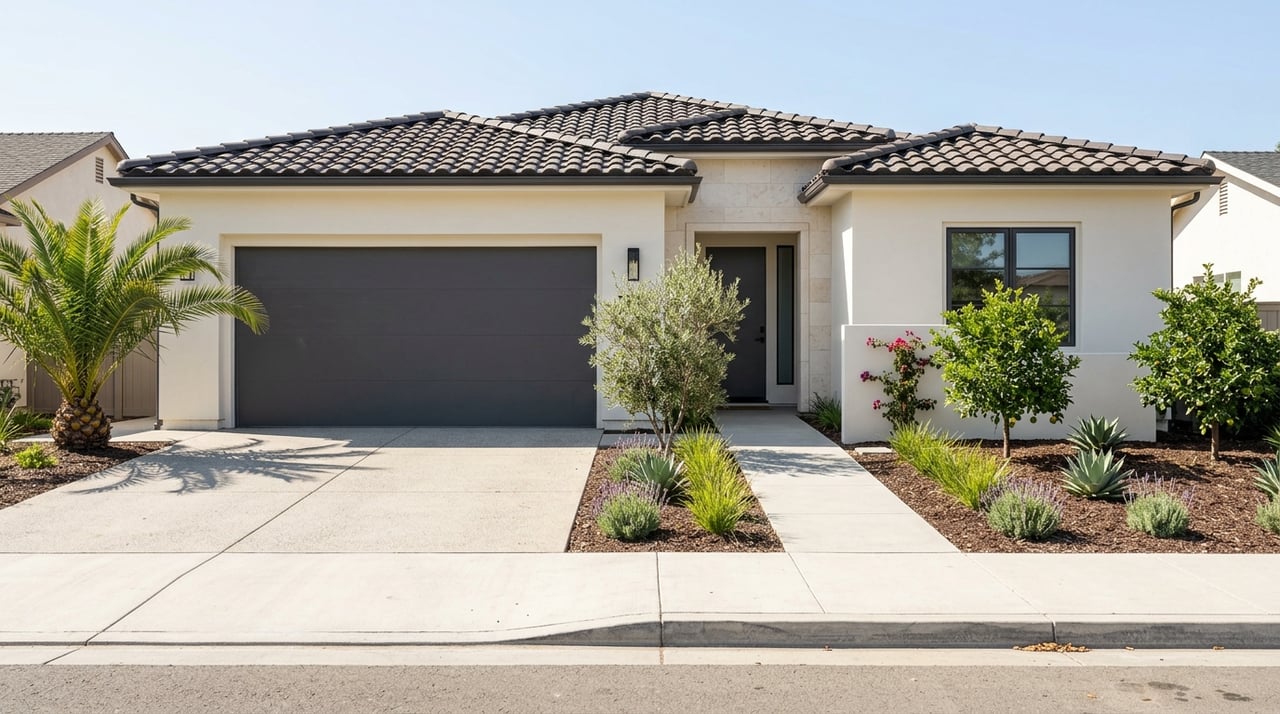
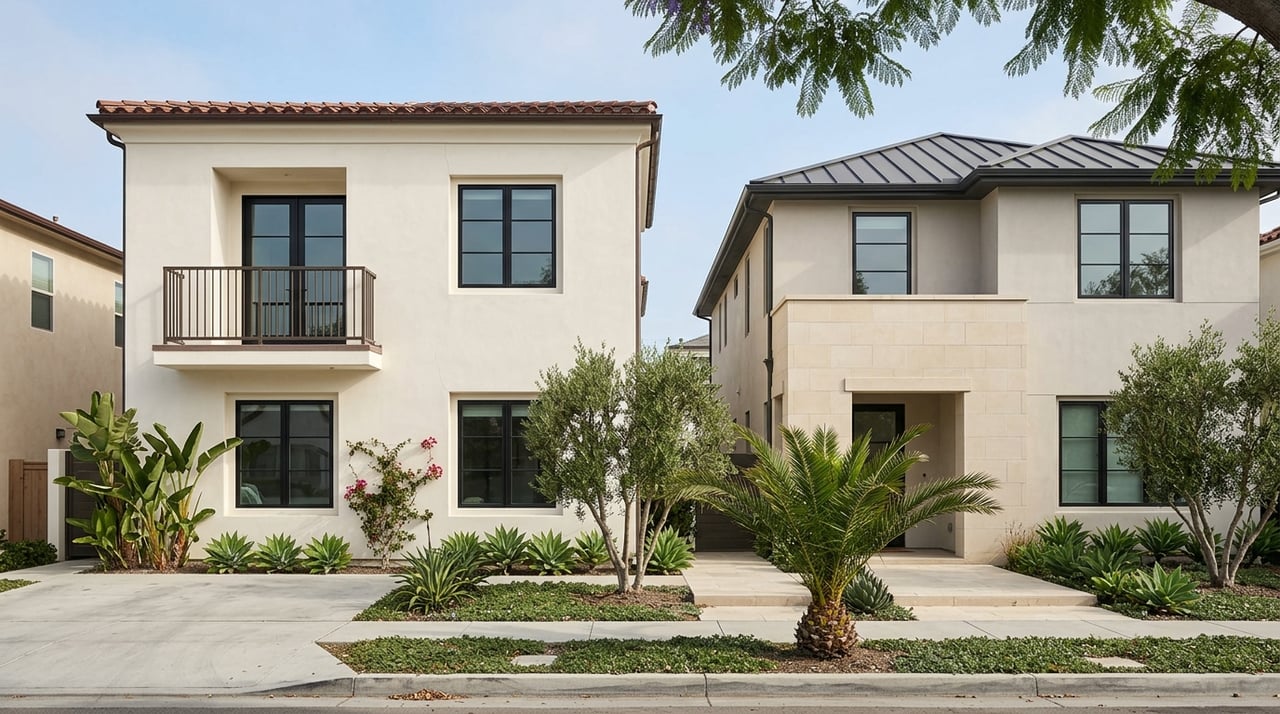
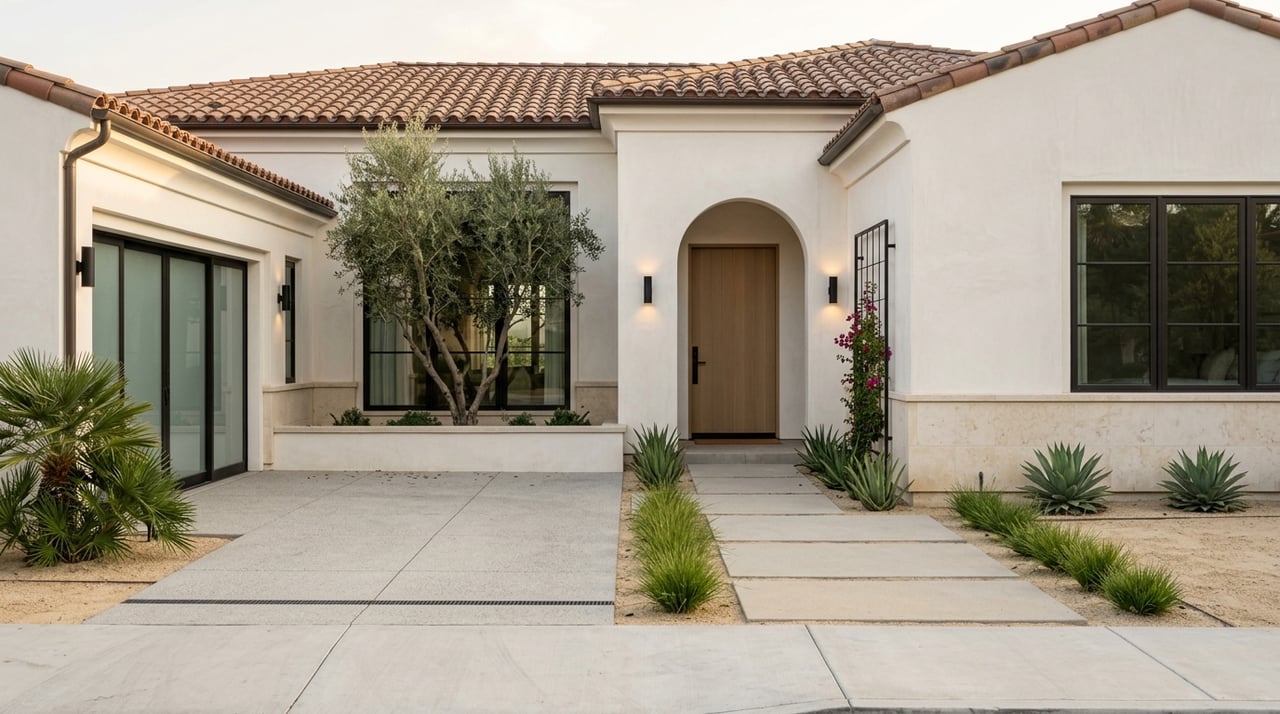
Huntington Beach does not fit one single architectural mold. The city’s design guidelines state that there is no specific architectural style required for residential structures. That gives the housing stock a more varied feel, which can be helpful if you are searching for a property that matches your taste and priorities.
In and around older parts of town, you will see more historic character. The city’s historical survey points to cottage bungalows built roughly between 1920 and 1940, with Craftsman, Bungalow, and Mediterranean influences. The historic downtown walking tour also highlights California Bungalow architecture along 8th Street.
That layered housing mix is part of what gives Huntington Beach personality. Some areas feel more classic and beach-town in character, while others reflect later development and newer construction patterns. For buyers and sellers, that means value often depends on micro-location, condition, layout, and lifestyle fit rather than one simple citywide formula.
Distinct pockets offer different lifestyles
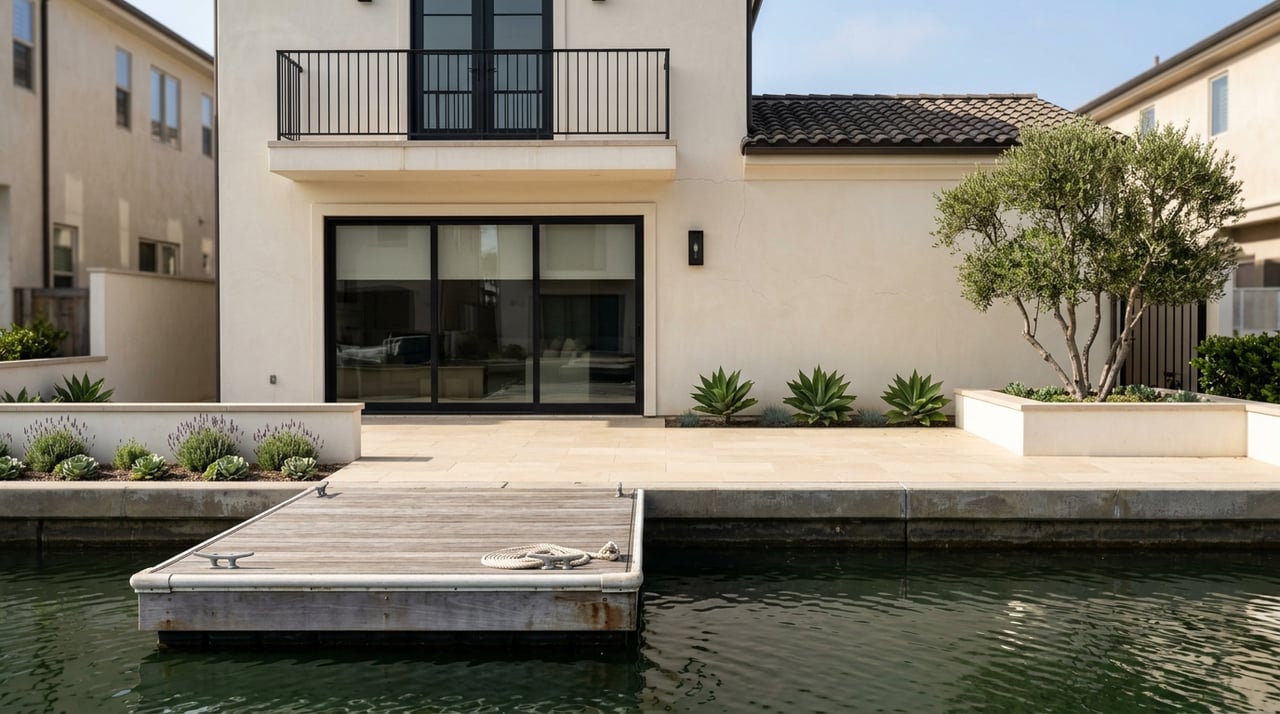
Sunset Beach has a notably old-school identity, with historic homes and a small-scale coastal feel. Huntington Harbour offers a different experience entirely. Built in the 1960s in the city’s northwest corner, it includes five man-made islands and more than 500 bayfront homes.
That range matters if you are trying to narrow your search. Some buyers want walkable beach-town energy near downtown. Others want calmer residential streets, harbour access, or a property with a different kind of layout and setting.
Recent city planning records also show mixed-use and multifamily development activity, including condominium and mixed-use proposals. That reflects a housing landscape that continues to evolve, especially for buyers considering condos, townhomes, or other lower-maintenance options.
Getting around is easier than many expect
Coastal living can sound relaxed until you think about daily logistics. In Huntington Beach, major routes including I-405, Pacific Coast Highway, and Beach Boulevard help connect the city to the rest of Orange County and beyond. The city’s planning documents also note access to John Wayne, Long Beach, and Los Angeles airports.
Public transit is part of that picture too. OCTA’s 2025 fact sheet lists 15 bus routes and 370 bus stops in Huntington Beach. Route 76 connects the city with John Wayne Airport, Irvine, Santa Ana, and Costa Mesa, while Route 29 runs along Beach Boulevard to Huntington City Beach and the Buena Park Metrolink Station.
That connectivity helps Huntington Beach function as both a lifestyle destination and a practical home base. You get the laid-back coastal atmosphere many people want, while staying connected to nearby cities like Seal Beach, Sunset Beach, Newport Beach, Costa Mesa, and Irvine.
What this means for buyers and sellers
If you are buying in Huntington Beach, lifestyle fit should be part of your decision right alongside price, condition, and square footage. The city offers several versions of coastal living, from harbour-oriented homes to downtown-adjacent properties and more traditional residential pockets. The right choice depends on how you actually want to live day to day.
If you are selling, the same idea applies. A home in Huntington Beach is not just a structure or address. It is also a lifestyle story, and buyers often respond strongly to how a property connects to outdoor access, community spaces, downtown convenience, and neighborhood character.
This is where local market knowledge matters. A buyer may need help understanding which part of Huntington Beach best matches their routine, while a seller may need a smart strategy for positioning condition, location, and lifestyle value. That kind of guidance gets stronger when it comes from someone who understands both negotiation and the physical side of property.
Whether you are buying your first place, planning a move, or preparing to sell, having a clear view of how Huntington Beach lives on an ordinary Tuesday can help you make a better decision. If you want grounded guidance on Huntington Beach homes, pricing, property condition, and next steps, connect with Joseph Cordi - Main Site.
FAQs
What is everyday life like in Huntington Beach?
- Everyday life in Huntington Beach often centers on outdoor access, beach routines, parks, walkable social areas, and a strong mix of community activities throughout the year.
What outdoor activities are available in Huntington Beach?
- Huntington Beach offers surfing, paddle boarding, kayaking, volleyball, bonfires, beach yoga, biking, walking trails, birdwatching, pickleball, skateboarding, and access to parks and nature areas.
What makes downtown Huntington Beach a popular hub?
- Downtown Huntington Beach brings together the pier, Main Street, shopping, dining, and recurring events like Surf City Nights, which creates a regular gathering place for residents and visitors.
What types of homes are found in Huntington Beach?
- Huntington Beach includes a mix of housing styles, including older cottage bungalows, California Bungalows, Mediterranean-influenced homes, harbour properties, condos, and newer mixed-use or multifamily developments.
How do you get around from Huntington Beach?
- Huntington Beach is connected by I-405, Pacific Coast Highway, and Beach Boulevard, and OCTA service includes 15 bus routes and 370 bus stops with links to nearby cities, John Wayne Airport, and regional transit connections.
Is Huntington Beach only for beach-focused buyers?
- No. While the beach is central to the city’s identity, Huntington Beach also appeals to people who want parks, community programs, downtown activity, varied housing options, and access to the broader Orange County area.